




Asbestos Awareness Training (+International)
£20.00
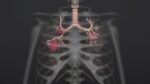
This training course was designed for workers who may potentially come into contact with asbestos whilst at work. The course informs the user of what asbestos is, where it might be found, and what it is used for; and why it is dangerous.
Employers have a legal responsibility to ensure that their staff know where asbestos and related materials are likely to be found, how to avoid the risk of exposure and to provide the necessary PPE to keep the worker safe.
| Accreditations | CPD, iatp |
|---|---|
| Course Duration | 35 mins (approx) |
| Languages | 41 |
Welcome to the Asbestos Awareness Course, a crucial program designed to educate individuals about the dangers of asbestos exposure and provide practical steps to ensure safety. This concise training will cover the following key sections in approximately 15 minutes:
- Asbestos Awareness : In this section, you will gain a comprehensive understanding of asbestos, its properties, and the associated health risks. We’ll explore the history of asbestos use, the industries where it was commonly used, and the reasons behind its widespread ban due to its carcinogenic nature. You will learn how asbestos fibers can become airborne, making them hazardous when inhaled, and why it is crucial to be aware of potential asbestos-containing materials (ACMs) in various environments.
- Practical Steps : This section provides actionable steps to protect yourself and others from asbestos exposure. You will learn how to identify potential sources of asbestos in different settings, such as homes, workplaces, and construction sites. We will discuss best practices for dealing with ACMs, including asbestos surveys, labeling, and safe handling procedures. Additionally, you will be briefed on reporting procedures if you suspect the presence of asbestos.
By the end of this Asbestos Awareness Course, you will have a solid understanding of the risks associated with asbestos exposure and the practical steps needed to safeguard yourself and others. Your commitment to this brief yet informative training will contribute to a safer environment and the prevention of asbestos-related health issues. Let’s embark on the journey to asbestos awareness and safety.
Related products


General Workshop Safety Training
This online training course is suitable for anyone who works in a workshop. This training provides information about general safety awareness and is essential for employees to know the best practises in remaining safe when working in a workshop.
In 2020, over 38 million working days were lost due to work related ill-health. This course will help employees to reduce the risk of injury by learning about their responsibilities, possible hazards, the common accidents, the safety signs and the Do’s and Don'ts of workplace safety.


Emergency First Aid at Work Refresher Training
This online training course has been designed to refresh the user's knowledge about the role of an emergency first-aider and their responsibilities. It is suitable for all levels of employees working in any industry.
The course aims to remind the user of their first aid duties in between their practical training. It will refresh their knowledge on how to assess a situation and circumstances to act safely & effectively in an emergency and how to administer CPR and use an AED.


Anaphylaxis & Allergies Training for Schools & Carers
This online training course has been designed to be used by anyone who cares for children, including those in schools, parents, guardians, youth workers and childminders. Our training will provide you with a step-by-step emergency procedure to follow in response to an anaphylactic shock.
In just 40 minutes you will learn about what Individual Healthcare Plans are, the different types of allergies and how they are caused, what anaphylaxis is, school policies and responsibilities and the impact that these allergies can have on a child.


Food Safety & Hygiene Training – Level 1
This online training course is essential for anyone that works with food, whether it is where it is made, sold, or served. Learners will find out more about food hygiene and how to handle food safely.
With more than 1 million cases of food poisoning each year, this Level 1 Food Hygiene training will provide an introduction to food safety, explain more about personal hygiene, cleaning and the storage, temperature, and time that food can be stored.


Fire Warden Training
This Fire Warden Training course will help your designated staff members in gaining the knowledge to become a fully trained Fire Warden or Marshal but does not replace practical training. This online training course will help your organisation work towards compliance with the Fire Safety Order 2005.
Assigning a responsible person with the duties of a Fire Warden is a critical component in making sure that your organisation reaches satisfactory health and safety standards. It also demonstrates due diligence and commitment to implementing emergency fire procedures at work.
This training course is divided into five different easy-to-digest sections, so that the user is able refer back to certain sections of the course if needed.


Epilepsy Training for Schools & Carers
This online training course should be used by anyone caring for a child with epilepsy. Learners will gain a better understanding of the different types of epileptic seizures and what your responsibilities are when caring for children with epilepsy.
The course aims to help the user understand what can trigger a seizure and the larger effects that epilepsy can have on a child's education and wellbeing.


Confined Spaces Training
No matter how regularly an employee has to work in a poorly ventilated confined space, it is essential that they are trained to understand the best practices surrounding their safety whilst working in that environment. The importance of this is reflected by the fact that around 15 people in the UK are killed in confined spaces incidents each year.
This online training course teaches the user how to work safely in confined spaces and poorly ventilated areas, and also helps them to understand their legal responsibilities when working in confined spaces.
 Fire Safety
 Mandatory Health & Safety
 Workplace Culture & Conduct
 Health & Social Care
 Safeguarding
 Food Safety
 First Aid
 Mental Health & Wellbeing
 Remote Working
 GDPR & Cyber Security
 Leadership