


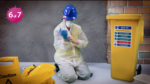



Spill Kit Training: Chemicals & Oils
£20.00
This online training course aims to teach the user the best practices surrounding the handling of a chemical or oil spill. Additionally, it looks into the dangers associated with the spillages.
The course aims to ensure the user is working towards compliance with The Control of Substances Hazardous to Health Regulations (COSHH) 2002, and also that they understand the purpose of spill kits and how they can prevent a spill from spreading further.
| Accreditations | CPD, Skills For Care |
|---|---|
| Course Duration | 20 mins (approx) |
| Languages | 41 |
Welcome to the Spill Kits Training: Chemicals and Oils, a program designed to educate individuals on the proper use of spill kits and response procedures for chemical and oil spills. This training emphasizes the importance of understanding the components of spill kits and how to respond effectively to spills to minimize environmental and safety risks. We will cover essential topics in the following key sections:
- Spill Kits : Begin by gaining a comprehensive understanding of what spill kits are and their importance in managing chemical and oil spills. In this section, you will learn about:
- The components of spill kits, including absorbents, PPE (Personal Protective Equipment), and disposal materials.
- Different types of spill kits designed for specific spill response needs, such as chemical or oil spills.
- Proper storage and accessibility of spill kits to ensure quick and effective response.
- Spill Response Procedure : Explore the step-by-step procedure for responding to chemical and oil spills effectively. In this section, you will discover:
- The importance of immediate action and containment to prevent spill escalation.
- How to assess the type and severity of the spill to determine the appropriate response.
- Techniques for using the spill kit components, including absorbents and PPE.
- Procedures for proper cleanup, disposal, and documentation of the spill incident.
After completing this Spill Kits Training, you will know about spill kits, their parts, and how to deal with chemical and oil spills. By engaging in this training, you help create a safer environment and manage spills responsibly. Now, let’s start our journey to equip you with the necessary knowledge and skills. This way, you can tackle spills effectively and reduce their effects on safety and the environment.
Related products


Food Safety & Hygiene Training – Level 3
This online training course is aimed at those who work with food and are in a managerial/supervisor role or are an employer/business owner. This training matched the CIEH syllabus and meets UK/EU legal requirements.
This Level 3 Food Hygiene training will include the content from both the Level 1 and Level 2 training and build on them to give learners an understanding of the additional information needed in their roles. Learn about the


Fire Awareness Training
No matter what working environment your organisation operates in, it is a legal requirement that your staff complete Fire Awareness Training. This course is designed to cover all industry sectors and assists users in the basics of fire, how to keep their workplace safe, and how to work towards compliance with current legislation.
This eLearning course is cost-effective and easy to set up, which is the ideal way to help your organisation comply with current legislation. With thousands of companies across the UK already using this training course, this best-seller is a crucial course for all organisations


First Aid Appointed Person Training
This online training course is designed for the use of an organisation’s First Aid Appointed Person(s) and helps them to work towards compliance with The Health and Safety (First Aid) Regulations 1981.
The 20-minute course aims to help them understand legislation surrounding their role, their responsibilities, and what information they need when speaking to emergency services.


Eye Protection Training
This online training course helps the user to identify hazards and the risk they pose to their eyes, understand how to use the correct Personal Protective Equipment (PPE), first-aid advice, and how to manage risks.
As a result of taking this course, the user should be able to know how to identify hazards and keep themselves and others safe at work, recognise the different kinds of eye protection equipment and understand how they protect them, and understand first aid advice for when accidents involving eyes happen and how to prevent long term damage.


Epilepsy Training for Schools & Carers
This online training course should be used by anyone caring for a child with epilepsy. Learners will gain a better understanding of the different types of epileptic seizures and what your responsibilities are when caring for children with epilepsy.
The course aims to help the user understand what can trigger a seizure and the larger effects that epilepsy can have on a child's education and wellbeing.


Electrical Safety Training
Electricity is the main cause of over 15,000 fires per year, so it is apparent that there is an element of danger associated with its use. For this reason, it is essential that those who use electrical appliances at work understand how to safely use and maintain these devices.
Our online training course helps the user work towards legal compliance with current legislation, and also how to react in an emergency and deal with electrical injuries and burns.


Diabetes Awareness Training for Schools & Carers
This training course was designed to help those who work in schools, parents, guardians, youth workers or childminders to care for children with diabetes. This course will also explain how diabetes works and how you can keep a child with diabetes healthy and happy at school.
In the UK there are around 35,000 children and young people living with both type 1 and type 2 diabetes. Learners will touch upon the risks children face and your responsibilities, the different kinds of medication, what should happen when a child goes on school trips.


 Fire Safety
 Mandatory Health & Safety
 Workplace Culture & Conduct
 Health & Social Care
 Safeguarding
 Food Safety
 First Aid
 Mental Health & Wellbeing
 Remote Working
 GDPR & Cyber Security
 Leadership